
Every winter car care listicle reads the same way: check your battery, check your heater, check your tires, check your fluids, check your wipers, in whatever order the writer thought of them. That ordering is useless to a shop owner deciding where to actually point ad spend, because it ranks offers by how a mechanic would walk through an inspection, not by how a driver behaves when the temperature drops. Those are two different rankings, and the second one is the only one that should decide which offer gets the budget first.
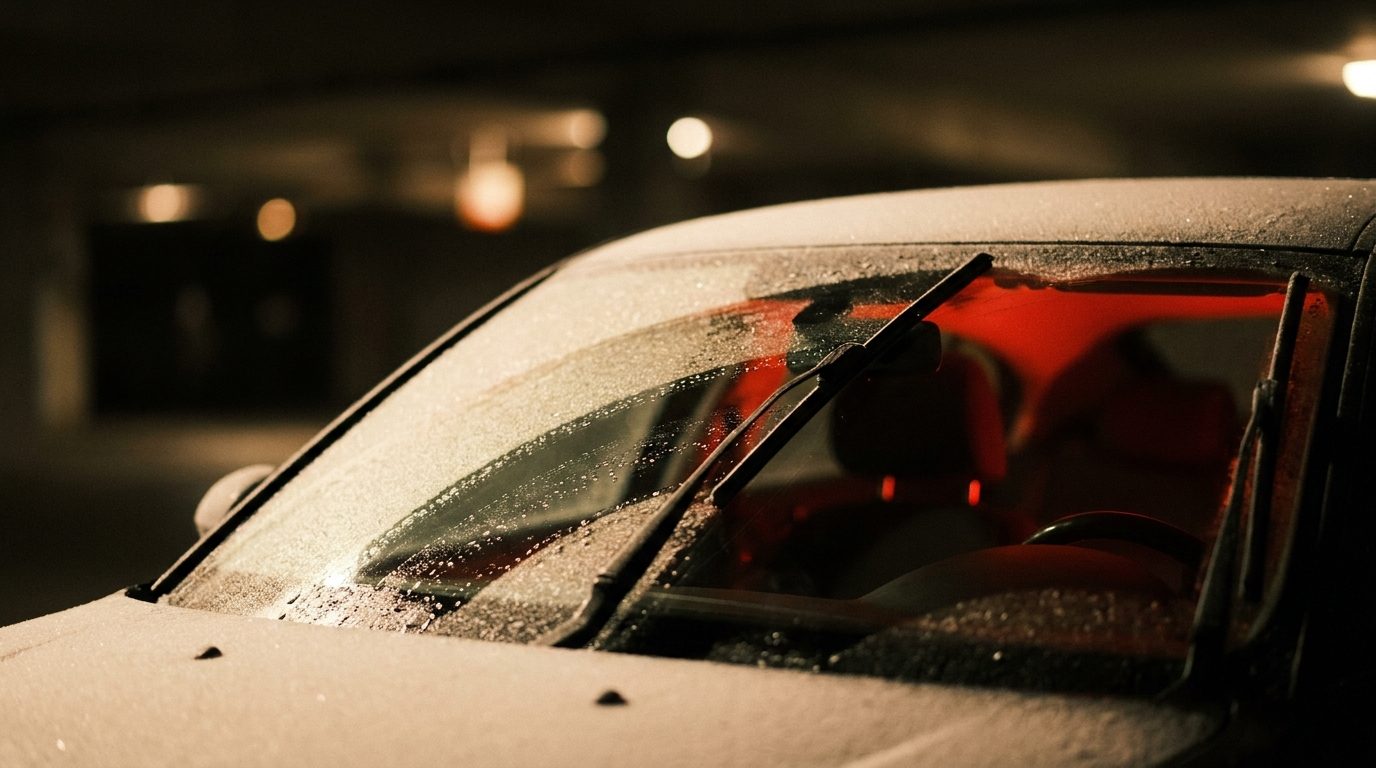
Why winter offers need a ranking, not a checklist.
A checklist treats every item as equally worth doing. A ranking admits that a shop with one ad budget and five winter-readiness services to promote cannot run all five with equal weight and expect equal results. Some of these offers convert a browsing searcher into a booked appointment almost on contact. Others need weeks of preventive-minded warming up before anyone acts on them. Spending the first ad dollar on the wrong end of that spectrum is the single most common mistake in seasonal campaign planning, and it is an easy one to make when every source ranking for "winter car care" presents the same five bullet points with no distinction between them.
The ranking that actually matters weighs three things for each offer: how urgent the underlying problem feels to the driver, how specific and high-intent the keyword or audience behind it is, and how large the resulting ticket is once the car is on the lift. An offer that scores high on all three is worth building a dedicated campaign around the day the first cold front shows up on the forecast. An offer that scores low on all three is better handled as a line item inside a broader seasonal campaign than as its own standalone push. Treating all five the same way, which is what a checklist does by design, means underfunding the offer that would have converted fastest and overfunding one that was never going to move the needle on its own.
A checklist asks what should a driver do before winter. A ranking asks what will a driver actually pay someone else to do right now, this week, before they even finish reading the sentence. Those are different questions, and only the second one should decide where the ad budget goes first.
This matters more for a repair shop than almost any other seasonal category because the window is so narrow. A retailer running a holiday sale has roughly six weeks of buildup to work with. A shop's winter-readiness window is really just the handful of days around the season's first hard freeze, plus whatever sustained cold stretch follows it. Getting the ranking right determines whether the budget is already working during that window or still warming up when it closes.
Free Winter Campaign Audit
Which winter offer should get your ad budget first?
We'll rank your shop's winter-readiness services by real conversion behavior and build the campaign for whichever one wins, ready to launch the moment the forecast turns.
Get My Free Winter Campaign Audit →The five offers, ranked by real conversion behavior.
These are the five winter-readiness services almost every general repair shop can offer, ranked from the one that converts fastest on paid ads to the one that needs the most supporting context before a driver acts on it. The ranking assumes a typical general repair shop in a climate that sees at least a handful of genuinely cold nights a year. A shop with a different specialty or a milder climate should still use the same order of priority, just adjusted for how often each symptom actually shows up locally.
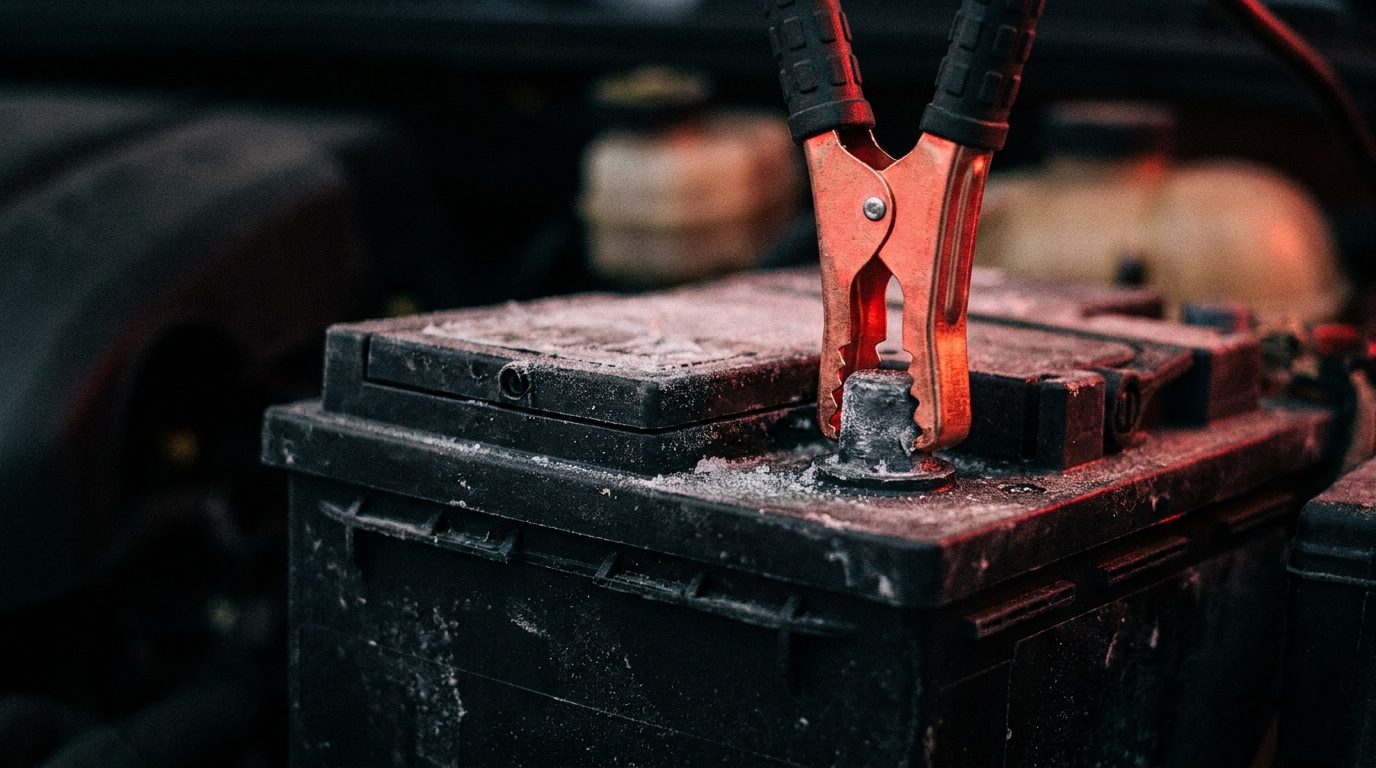
1. Battery test and replacement. Nothing on this list converts faster. A dead battery is not a maintenance reminder, it is an emergency that stops a driver's day completely, usually discovered at the worst possible moment, in a cold driveway at 6 a.m. The search behind it ("car won't start cold," "battery dead," "jump start near me") carries as much urgency and intent as auto repair keywords ever get, and the average ticket for a test-and-replace visit is large enough on its own to justify the ad spend with no bundling required. If a shop can only fund one winter campaign, this is the one.
2. Heater and cabin heat check. Close behind batteries, because a heater that stops working mid-winter is uncomfortable enough to act on quickly but rarely stops the car from driving, which softens the urgency slightly compared to a no-start. The keyword intent is still strong ("heater not working," "no heat in car"), and the diagnostic work behind a heat complaint, from a stuck thermostat to a failing blower motor, often turns into a meaningful ticket once the car is actually on the lift.
3. Winter tire swap and traction check. This offer converts well but on a longer runway than the first two, because tire wear is visible and gradual rather than sudden. A driver notices worn tread weeks before the first snow, not the morning of. That makes it a strong offer for a campaign that launches a few weeks ahead of the season rather than the day-of trigger that works for batteries and heaters, and it pairs naturally with a safety angle in the ad copy rather than an emergency one.
4. Antifreeze and coolant system flush. Lower urgency than the first three because most drivers have no idea their coolant mix is wrong until something else fails downstream, like a cracked radiator or a overheating warning months later. This offer converts best as an add-on inside a broader winter-readiness package rather than a standalone campaign, since the keyword volume behind "coolant flush" alone is thin compared to the symptom-driven searches above it.
5. Holiday travel and pre-trip inspection. The lowest-urgency offer on this list in terms of symptom, since nothing is broken yet, but it carries real intent because it is tied to a hard date, a specific trip, rather than a vague season. It converts well as a bundled package timed tightly to the week or two before Thanksgiving and winter break, and it overlaps with the road trip inspection offer this shop may already run in warmer months, just pointed at holiday travel instead of summer vacations.
Notice what the ranking is actually doing: it is sorting by how close each problem sits to an emergency, not by how important the service is to the car's long-term health. A coolant flush matters more to a vehicle's lifespan than most drivers realize, but it will never out-convert a dead battery on paid ads, because the driver staring at a non-starting car in a cold driveway is not weighing options, they are solving a problem right now.
Launch timing: triggered by weather, not the calendar.
A calendar-based launch date is the single biggest reason winter campaigns underperform. Picking "launch October 15" or "launch the first week of December" guarantees the campaign is either live too early, burning budget on impressions nobody is ready to act on yet, or live too late, missing the actual cold snap that was supposed to trigger it. Winter does not arrive on a fixed date, and a campaign built around one behaves like it does anyway.
The fix is to build every campaign in the fall, get the ad copy, landing pages, and targeting fully approved, and leave each one paused rather than deleted. Then watch a 7 to 10 day weather forecast for the specific trigger each offer needs. The battery and heater campaigns flip on the moment a hard freeze shows up in the forecast, not after it happens, because the goal is to have ads already running when the temperature drops, not scrambling to launch the morning after. The winter tire campaign can launch a few weeks earlier, riding a general "the season's turning" message rather than waiting for a specific freeze. The holiday travel package launches off the calendar instead of the weather, since it is tied to a fixed date everyone already knows is coming.
This approach also solves the mild-climate version of this problem. A shop in a region that rarely sees a true hard freeze still has a coldest stretch of its own year, and that stretch still produces a real spike in battery and cold-start calls relative to the rest of the year, just at a higher temperature threshold than a shop further north. The trigger is the same idea, a sustained drop relative to that shop's own baseline, not an absolute number borrowed from a national average. Building the campaign ahead of time and watching the local forecast works identically whether the trigger is 20 degrees or 45.
The 48-hour ad funnel that catches the cold snap.
Two channels split the work here, and they are doing different jobs on purpose. Google Search catches the driver mid-emergency, the person whose car would not start this morning and is already typing "battery replacement near me" or "jump start service" into their phone from the driveway. Bid tightly on the specific symptom keywords behind each ranked offer rather than broad terms like "auto repair," and write the ad copy to confirm exactly what the searcher is already thinking: same-day battery testing, walk-ins welcome, open now. This is the highest-intent moment in the entire winter campaign and it deserves the sharpest, most literal ad copy a shop writes all year.
Meta plays the earlier, softer role, geo-targeted to the shop's service radius and running in the days just before the forecasted freeze rather than during it. The message here is preventive rather than emergency, a free battery test before the cold snap hits, a heater check before the first truly cold week, framed around avoiding the emergency rather than reacting to one. A driver who sees that ad two days before a freeze and books a preventive check never becomes an emergency walk-in at all, which is a better outcome for the shop's schedule and a better experience for the customer.
Run them together and the two channels cover both sides of the same event: Meta softens the ground in the 48 hours before the freeze, Google catches whoever still waits until the car actually won't start. A properly built pair of campaigns targeting these specific symptom keywords and geography typically starts producing calls and booked appointments within 24 to 48 hours of going live, which is the entire point of building the creative and targeting in advance instead of starting from scratch the day the weather turns. Organic local SEO and a strong Google Business Profile help drivers find the shop for these same searches over time, but the paid layer is what actually catches the specific 48 to 72 hour window a cold snap opens, which organic rankings alone move far too slowly to capture.
Weather-Triggered Campaigns
Have the campaign built before the forecast turns.
We'll pre-build your battery, heater, and tire campaigns now so they're one click from live the moment the first real cold front shows up, instead of starting from zero that week.
Get My Free Winter Campaign Audit →Why coupon mailers lose this race every year.
A direct mail piece needs design approval, print production, and postal delivery, a process that routinely eats one to two weeks before a single postcard reaches a mailbox. A weather-triggered winter offer does not have one to two weeks. By the time a batch of battery-offer postcards clears the mail stream, the cold front that was supposed to make the offer relevant has usually already passed, and the next one might be weeks away. The mailer did not fail because the offer was wrong. It failed because the channel cannot move at the speed the problem it is solving actually moves.
It is also untrackable in a way that compounds the problem. A shop that mails 3,000 postcards with a battery-check offer has no reliable way to tie a specific booked appointment back to that specific mailer, short of a manual coupon code most customers forget to mention at the counter. Paid search and paid social both report, down to the campaign and the keyword, exactly which ad produced which call. That difference alone, speed to launch plus attribution, is why coupon mailers and radio spots belong in the old playbook for this specific use case: untrackable, too slow for a weather window measured in days, and worth skipping in favor of a channel built to move as fast as the problem does.
None of this means direct mail has no place anywhere in a shop's marketing. It means a weather-triggered offer with a days-long window is exactly the wrong use case for a channel with a weeks-long lead time, the same way a road trip inspection offer depends on catching a traveler before they leave, not after they're already three states away. Save the mailer budget for something with a longer runway, and let paid ads do the job that actually requires speed. Tracking which specific campaign produced which booked appointment, by channel and by offer, is also the only way to know which of the five rankings above is actually earning its ad spend at your shop specifically, rather than assuming the general order holds true everywhere without checking.
Frequently asked questions.
What's the single best winter offer to run if a shop can only pick one?
The battery test and replacement offer. It outranks the other four on every axis that matters: a dead battery is an emergency with no grace period, the search intent behind it is as high as auto repair keywords get, the ad targeting is dead simple, and the ticket size is large enough to be worth the ad spend on its own. If a shop has to pick one winter campaign to fund first, this is it.
When should a shop actually launch winter campaigns?
Off the weather forecast, not the calendar. Build and approve every winter campaign in the fall, then flip each one on when a 7 to 10 day forecast shows the specific trigger it's built for, the first hard freeze for battery and antifreeze offers, the first sustained cold stretch for heater checks. A campaign that launches on a fixed date misses the actual symptom window on either side.
Do winter car care ads work in places that don't get a hard freeze?
Yes, with the trigger adjusted. A shop in a mild climate still sees battery and cold-start calls spike on its coldest nights of the year, just at a higher temperature than a shop further north. The offer and the ad structure stay the same. Only the forecast threshold that flips the campaign on changes.
Why do coupon mailers consistently underperform for winter offers?
Printing and mailing takes one to two weeks of lead time that a weather-triggered offer does not have, and once it lands there is no way to tie a specific mailer to a specific booked appointment. It is the old playbook: untrackable and too slow to catch a cold snap while it's actually happening. By the time the postcard arrives, the freeze that was supposed to trigger it has usually already passed.
How fast can a winter ad campaign start producing booked appointments?
A Google and Meta campaign built around a specific winter symptom keyword and geo-targeted to the shop's radius typically starts producing calls and booked appointments within 24 to 48 hours of launch. That speed is the entire reason weather-triggered ads beat a mailer printed and approved weeks in advance.
Should winter car care offers include a discount?
Not as the headline. A free battery or cooling system test with a clear price if a repair is needed converts better than a flat percent off, because it removes the risk of the diagnostic call without attracting a customer who is only there for the discount. Price the actual repair honestly and let urgency, not a coupon, do the converting.

Free Winter Campaign Audit
Get your bays booked before the first freeze.
We'll build the campaigns now so they're ready the moment the forecast turns.
Received
Thanks. Talk soon.
We'll reach out within 24 hours with your custom 90-day roadmap.