
A mobile mechanic has no storefront, no drive-by signage, and no lobby for a customer to wander into. Every other piece of advice written for auto repair marketing assumes a building people can find. Yours is a van and a service radius, which means the entire game is winning the exact moment someone searches "mobile mechanic near me" on a phone, standing next to a car that will not start.
- 01Why mobile marketing is a different problem
- 02Myth: the lead-seller apps are your channel
- 03Myth: word of mouth is enough for one van
- 04Myth: flyers and cards move the needle
- 05Owning the "near me" search moment
- 06Building the 24 to 48 hour dispatch funnel
- 07Winning on trust, not a race to the bottom
- 08Frequently asked questions
Why mobile mechanic marketing is a different problem.
Every auto repair marketing guide written for a shop with bays leans on location. Map pack rankings, drive-by traffic, a sign on the building, a lobby where trust gets built face to face before the work starts. A mobile mechanic has none of that. The "location" is wherever the customer's car happens to be broken down, which changes every single job.
That flips the usual priority order. A shop's first job is to get found by people already near the building. A mobile mechanic's first job is to get found by people anywhere inside a defined service radius, at the exact moment they need someone to come to them instead of the other way around. That is a narrower, more urgent intent window than almost any other local service search, and it rewards whoever shows up fastest and looks most trustworthy in that window, not whoever has been in business longest.
You are not competing on who has the nicer shop. You are competing on who answers the phone first.
Most of the advice floating around for mobile mechanics gets this backwards, treating it like a smaller version of shop marketing instead of a genuinely different distribution problem. The three habits below are where that mismatch costs the most money.
Myth: the lead-seller apps are your channel.
Platforms built around dispatching mobile mechanics on demand solve a real problem early on: they can put a job in front of you tomorrow with zero marketing setup. That is genuinely useful for the first few months while you are still building a reputation. The problem shows up once the business matures and the commission never goes away.
Most of these platforms take 15 to 30 percent of every job they send you, every time, including the second and third visit from a customer you already won once. The platform owns that relationship, not you. Rebook that same customer through the app next year and you pay the commission again, because your name and number were never actually the thing they called. You built someone else's customer list with your labor.
A lead-seller app is a fine bridge while you build an owned channel. It is a bad permanent business model, because every dollar of repeat revenue from a customer you already earned keeps leaking out through the same commission on the way back in.
The fix is not to quit the apps outright on day one. It is to treat every app-sourced job as a chance to capture the customer directly, a saved number, a follow-up text with your own business name, a card left on the dash with your direct line, so the second job books you, not the platform. Run that alongside a channel that sends the "near me" searcher straight to you in the first place, which section five covers.
Run the math on a single repeat customer to see how much this actually costs over time. A $220 brake job booked through a platform at a 25 percent commission costs you $55 the first time. If that same customer calls the app again for an oil change, a battery swap, and another brake job over the next two years, you pay that same 25 percent cut on all of it, because the platform, not you, is still the thing they remember to open. Capture that customer's name and number on the first job and the only cost on every visit after that is the labor itself.
Myth: word of mouth is enough for one van.
Word of mouth is real and it is cheap, which is exactly why it is tempting to lean on it entirely when you are a one or two person operation watching every dollar. The problem is timing, not quality. A referral only fires when a friend's car happens to break down and they happen to remember your name in that exact moment. That is a slow, random trigger, and it only starts compounding once you already have a large enough base of past customers for that math to work in your favor.
A new or still-growing mobile operation does not have that base yet, which means word of mouth alone produces a trickle, not a schedule. You cannot plan a week around a trickle. Paid search and Meta ads solve the timing problem directly, putting your business in front of someone the moment they are searching, rather than waiting for a conversation that may or may not happen this month.
The two are not in competition. Every good job you run on paid traffic becomes a future word-of-mouth referral anyway. Paid ads just stop you from needing to wait for referrals to reach critical mass before the business can run predictably.
Myth: flyers and business cards move the needle.
Leaving cards at auto parts counters or dropping flyers on windshields feels like marketing because it is an action you can take today with your own hands. It rarely produces jobs, and the reason is simple: nobody keeps a flyer for the six months until their transmission fails. A driver standing next to a dead battery right now pulls out a phone and searches, they do not dig through a kitchen drawer hoping they kept a card from a parts store visit eight months ago.
Vehicle branding, a clean wrap with your name and number on the van itself, is the one piece of "traditional" marketing worth keeping, because it works passively every time the van is parked at a job site in public view. Everything else in this category, printed flyers, generic business cards handed out cold, local newspaper classifieds, is the old playbook: untrackable, unscalable, and built for a slower era of buying decisions. Skip the spend and put it toward a channel you can actually measure.
Free Ads Audit
Want the exact service-area campaign we'd build for your van?
We'll map your drive-time radius, your top "near me" searches, and hand you the Google and Meta setup we would run to start booking jobs this week. Free, and yours to keep either way.
Get My Free Audit →Owning the "near me" search moment.
Two assets do almost all of the real work for a mobile mechanic, and neither of them is a building. The first is a fully built Google Business Profile with your service area defined accurately, not a pin dropped on a home address. Fill in every category, every service you actually offer, real photos of the van and completed jobs, and keep review requests flowing after every visit. This is the free listing that shows up for "mobile mechanic near me" and it deserves the same attention a shop would give its storefront listing.
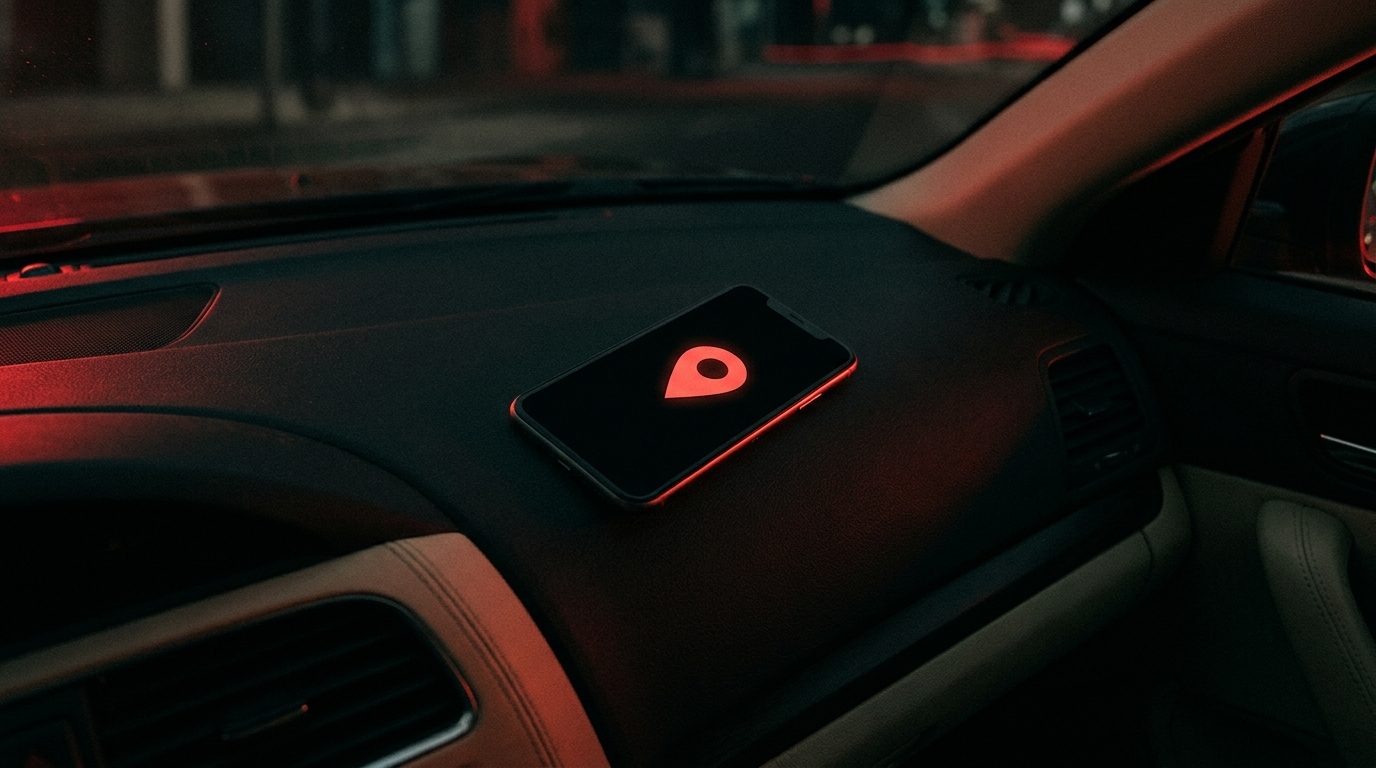
The second is paid search and Meta targeted specifically to your service radius, not a broad metro-wide blast. Google Ads catches the person actively searching "mobile mechanic near me" or "[city] mobile oil change" right now, with a car problem in hand and intent to book immediately. Meta plays a supporting role, keeping your name in front of past visitors and reaching people in your radius who have not opened a search bar yet but are due for routine work. Run both together rather than picking one, the same way a shop would, just pointed at a radius instead of a street address.
We cover the full build for a shop's version of this system in our Facebook ads guide for auto repair shops and our Google Ads guide for auto repair shops, both worth reading alongside this one since the platform mechanics carry over directly, only the targeting radius and the ad copy change for a mobile operation.
Building the 24 to 48 hour dispatch funnel.
Speed is the entire product for a mobile mechanic, so the marketing funnel has to be built to match. A visitor who clicks an ad with a dead car should land on a page with one headline, a tap-to-call button above the fold, and your service radius stated plainly, not a generic homepage with five menu items standing between them and your phone number.
Call tracking matters more here than almost any other local business, because the phone call itself is the conversion, not a form fill three steps later. Route every ad to a tracked number so you know exactly which campaign, which keyword, and which radius produced the booked job, then double down on whatever is actually ringing the phone.
A missed call matters more for a mobile mechanic than it does for a shop with a front desk, too, since a solo operator is often under a hood with grease-covered hands when the next call comes in. A simple missed-call text-back, an automatic text that goes out within a minute of a missed ring with your booking link or a promise to call back shortly, recovers jobs that would otherwise go to whichever competitor happens to answer first. That single fix is cheap to set up and routinely saves more bookings than most owners expect.
Free Ads Audit
See the exact landing page and call setup we'd build for dispatch speed.
We'll build a one-page, tap-to-call landing page and a tracked Google and Meta campaign designed to book a job in 24 to 48 hours, not collect form fills nobody answers.
Get My Free Audit →In client accounts across the broader auto repair category, a correctly built campaign like this routinely produces booked calls within 24 to 48 hours of launch. For a mobile mechanic that speed matters even more than it does for a shop, because most people searching "mobile mechanic near me" have a car that is not drivable today, not a maintenance visit they are planning for next month. Slow-moving channels like organic search or word of mouth simply are not built for that kind of urgency.
Winning on trust, not a race to the bottom.
Lead-seller apps train customers to compare mobile mechanics on price alone, since that is the only lever the platform's interface actually surfaces. Owning your own channel lets you compete on the thing that actually matters more to a stranded driver: whether they can trust a stranger who is about to work on their car in a parking lot or their own driveway.
Lead with convenience, not a number.
"We come to you, same day, no tow truck needed" answers the real question faster than any price headline. The person searching already knows mobile service costs more than driving to a shop. What they are actually deciding is whether to trust you.
Put proof in the first screen.
Insurance and certification badges, a real review count, and photos of the actual van and tools do more to convert a nervous first-time caller than a discount ever will. A stranger letting someone work on their car curbside is managing risk first, price second.
Name the radius honestly.
A service area that is too wide eats your margin in drive time and makes "we come to you" feel like a stretch when dispatch takes ninety minutes. Fifteen to twenty-five minutes, stated plainly in the ad and on the page, sets an honest expectation and keeps every booked job actually profitable to drive to.
The apps sell speed on their terms. Your own channel is the only place you get to sell trust on yours.

Pair this with the broader system in our auto repair marketing guide and our review-building guide, since a mobile operation depends on review volume even more than a shop does, with no storefront signage to lean on while that review count builds.
Frequently asked
questions.
How do mobile mechanics get customers without a storefront?
A fully built Google Business Profile with a defined service area replaces the storefront, since it is what shows up when someone searches "mobile mechanic near me." Paid search and Meta ads targeted to that same service area carry the rest of the load, sending the exact person with a broken-down car straight to a call or booking form instead of a generic map listing.
Are lead-seller apps worth it for a mobile mechanic?
They can fill slow weeks early on, but most take a commission of 15 to 30 percent of the job and the platform owns the customer relationship, not you. A repeat customer booked through the app usually has to be rebooked through the app again, so the commission never goes away. Treat them as a short-term supplement while you build owned channels, not the long-term plan.
Is word of mouth enough to grow a one-van mobile mechanic business?
Word of mouth is real but it is slow and it only compounds once you already have a base of customers large enough to refer each other. A brand-new or growing mobile operation needs a channel that produces demand on command, which is what paid search and Meta ads do, rather than waiting for the right conversation to happen at the right time.
Do flyers and business cards work for mobile mechanic marketing?
They can build light local familiarity but they cannot be targeted, tracked, or scaled, and nobody keeps a business card for the six months until their car actually breaks down. A driver with a dead battery or a check-engine light right now searches on their phone, they do not dig through a drawer for a card someone handed them at a parts store.
How fast can paid ads book a mobile mechanic job?
In our client accounts across the broader auto repair space, a correctly built Google and Meta campaign routinely produces booked calls within 24 to 48 hours of launch. For mobile mechanics specifically that speed matters even more, since most searches for "mobile mechanic near me" come from someone with a car that is not drivable today, not someone planning a visit next month.
What should a mobile mechanic's ad say instead of a price?
Lead with convenience and speed, not a number. "We come to you, same day, no tow truck needed" answers the real question a stranded driver is asking faster than any discount headline. Price-first ads attract the same lowest-bid shoppers the lead-seller apps already send you, which defeats the point of building an owned channel.
How big does a service area need to be for mobile mechanic ads to work?
Big enough to cover a realistic drive time, usually 15 to 25 minutes depending on traffic density, but not so large that dispatch time eats the convenience advantage that makes mobile service worth paying for in the first place. Narrow, honest radius targeting also keeps ad spend from being wasted on calls you would have to turn away.

Free Ads Audit
Get your exact dispatch funnel plan.
We'll build the radius, the landing page, and the campaign around your real van and territory.
Received
Thanks. Talk soon.
We'll reach out within 24 hours with your custom 90-day roadmap.